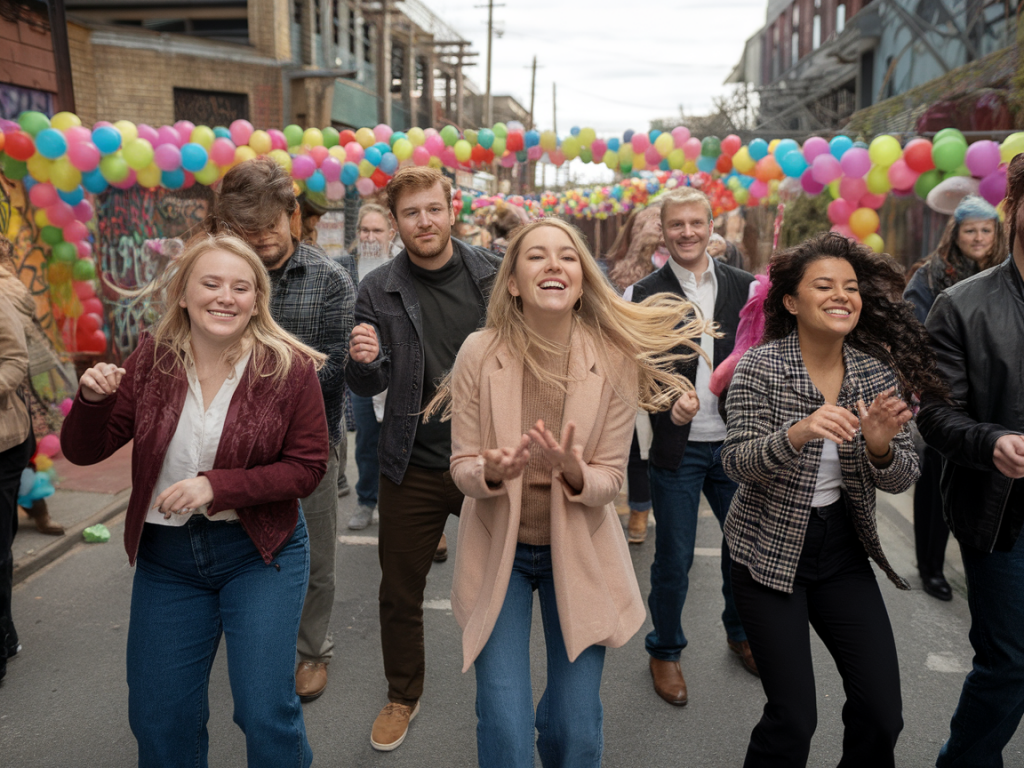
I love a good feel-good clip as much as anyone — the kind that makes you grin, cry a little, or immediately want to text three friends. But over time I’ve become a bit of a content detective: spotting those tiny, staged signals people slip into videos. The trick isn’t to ruin the moment; it’s to enjoy the joy while knowing what you’re seeing. Below I share the subtle cues I look for, why creators do it, and how to respond when you suspect a moment has been slightly manufactured — all without killing the vibe.
Why creators sometimes stage “real” moments
First, some empathy: staging isn’t always deceitful. Brands, creators, and even everyday people stage bits for clarity, pacing, and storytelling. A staged hug might be reshot because the first take had garbage truck noise. A surprise can be lightly rehearsed to reduce stress for everyone involved. When editing snackable content for TikTok, Instagram Reels, or YouTube, creators aim to deliver an emotional arc in 30–90 seconds — and sometimes that requires a little direction.
Still, there’s a line between enhancing and faking. Knowing the common motivations helps me read clips with kinder skepticism instead of outright cynicism.
Subtle signs a feel-good moment might be staged
- Perfect timing — Emotions land right on a beat or a punchline with surgical precision. Real life is messier; perfectly timed reactions often hint at multiple takes or careful editing.
- Multiple camera angles with identical emotion — If several angles capture the same exact laugh, gasp, or tear, it’s likely the moment was repeated intentionally for coverage (common with GoPro/action or smartphone setups).
- Zero ambient noise — A quiet background in an outdoor setting or during an otherwise loud event usually means background audio was replaced. That’s not bad per se, but it signals post-production.
- Too-clean camera moves — Handheld cameras that seem to glide like a gimbal, especially on amateur clips, often mean a stabilizer or multiple retakes were used.
- Over-polished lighting — Natural feel-good clips often have mixed or imperfect lighting. Soft, well-placed light on faces in a candid scene suggests planning or staged conditions.
- Repeated lines or phrasing — If multiple people conveniently deliver lines that create a neat narrative, there was probably a script or prompt in play.
- Characters who “perform” for the camera — When people make direct eye contact, exaggerate, or suddenly become viewer-aware, that’s a strong sign they know an audience exists.
- Brand placement that feels shoehorned — A heartwarming reunion in perfect lighting, and oh look — a can of Coca‑Cola in foreground. Paid placements often come with staged elements to ensure visibility.
How I distinguish “lightly staged” from “deceptive”
Not all staging is equal. I mentally file scenes into three buckets:
- Enhancement: Reshoots for technical reasons, subtle direction to reduce chaos, or edited audio. These keep the moment’s truth but polish the delivery.
- Constructed scene: The emotional beat is set up (someone is told to act surprised), but the feelings are still genuine when they occur.
- Fabrication: The moment is made up entirely — actors, scripts, or fake reactions presented as real. That’s where my enjoyment dips because the authenticity promise is broken.
Quick checklist I run through when watching
- Does the setting look naturally messy or staged? (Mess = more likely real.)
- Are reactions staggered naturally or perfectly aligned with edits and music?
- Is audio swapped? Does it feel too clean for the environment?
- Could multiple takes have been necessary? (If yes, was that likely disclosed?)
- Is a brand or product being highlighted unnaturally?
Examples I’ve noticed
On TikTok, I once saw a “random act of kindness” clip where a barista gave a free coffee. It felt lovely until I noticed the exact same reaction shot from three angles and a mic boom shadow on the wall — classic coverage and a retake situation. Another time, a feel-good reunion on YouTube had perfect sunset lighting and no background cars on a usually busy street; likely planned around golden hour.
Conversely, a video of a neighbor rescuing a kitten from a fence felt raw: shaky phone footage, an embarrassed smile, and the distinct noise of nearby traffic. Those imperfections made it feel real and more beautiful to me.
How to keep enjoying videos even if they’re staged
- Appreciate the intent: If the clip made me smile or inspired someone to be kinder, that impact can be valuable regardless of production. The message often matters more than the method.
- Reward transparency: Call out good disclosure. Creators who say “reshot for sound” or “recreated for clarity” earn my trust. Platforms like YouTube and Instagram increasingly require brands to tag partnerships — those tags are helpful signals.
- Enjoy the craft: If it’s staged, admire the storytelling skills. Good lighting, editing, and timing are craft, and craft can move people.
- Keep your taste in content evolving: Once I realized some creators stage moments for clarity, I started following both candid creators and those who make staged-but-beautiful short films. Both have value.
How to respond when you suspect deception
I try to be balanced. If a creator repeatedly passes off fabricated scenes as real (especially in charity or vulnerable contexts), I’ll call it out politely in comments and adjust my follow. But if it’s a one-off editorial choice to make a story clearer or gentler, I’ll often let it slide. Public shaming rarely improves anything; constructive conversation does.
Tools and signs for deeper verification
| Tool / Sign | What it reveals |
|---|---|
| Reverse image search | Shows if the clip or stills were reused elsewhere or taken from a stock shoot |
| Audio consistency | Clean studio-quality sound in a noisy setting suggests overdubbing |
| Comment section | Sometimes people involved will contradict or confirm details |
| Creator history | If they often disclose staging, they’re likely transparent; if they have a pattern of vague claims, be wary |
At the end of the day, a well-timed feel-good moment can brighten someone’s feed — even when you know a director’s voice was whispering off-camera. My goal is not to spoil smiles but to enjoy them with my eyes open. When I spot a staged cue, I usually smile a little differently: impressed by the craft, curious about the backstory, and still glad my feed got a little brighter today.