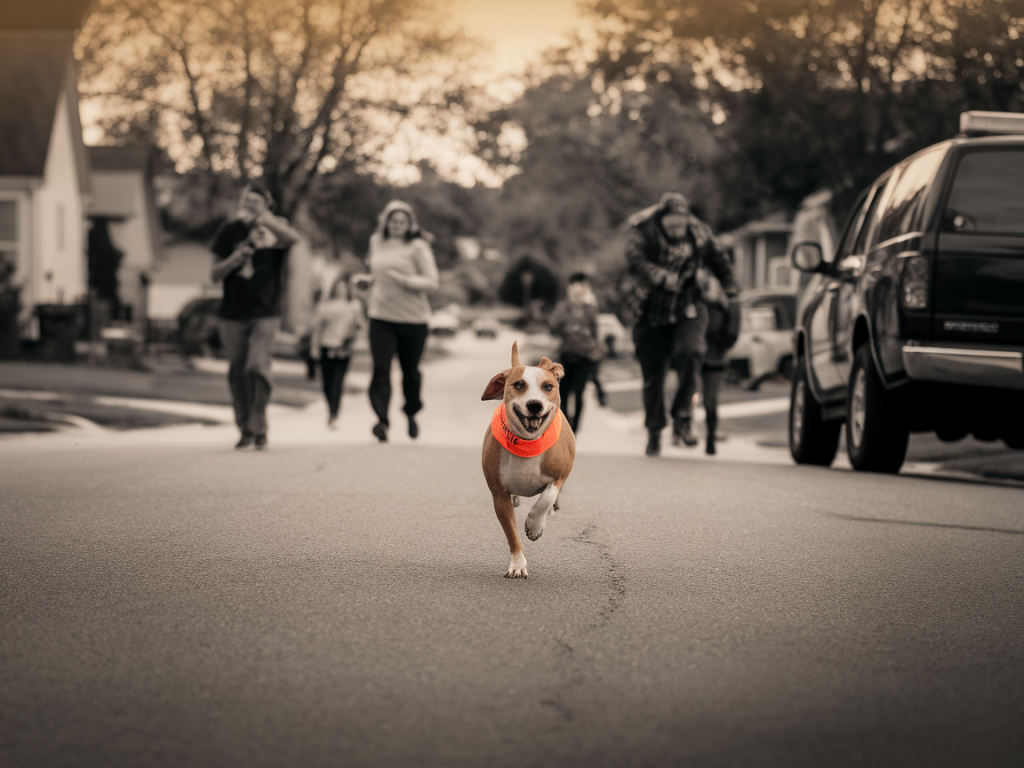
I once spotted a fluffy corgi dash across a crosswalk for only about seven seconds—enough time for my heart to leap and my phone to fumble, but not nearly enough to get a full ID. That tiny, brief sighting stuck with me. Over the next hour I turned that blink-and-you-missed-it moment into a neighborhood-wide effort that reunited the pup with its humans—without broadcasting anyone’s exact address or putting strangers at risk. If you’re ever in the same situation, here’s a privacy-minded, community-powered playbook that actually works.
Quick rules I follow the second I see a lost dog
Those seven seconds are precious. They’re also chaotic. I aim to balance speed with safety and privacy:
How I craft a privacy-first “lost dog” post
When I make a post for Wiralclub or on neighborhood channels, I follow a template that protects both the pup and the people nearby. Here’s my go-to structure—short, visual, and actionable:
I make sure the included photo is focused on the dog (or a cropped still from a shaky video). I blur or crop anything that could identify a private residence or a passersby. If the image captured a child or anyone else, I won’t post it.
Where I post first (and why)
Speed matters, but so does platform fit. I prioritize local-focused tools that have good privacy controls and active members:
- Nextdoor: Hyperlocal and neighborhood-centric. Great for quick visibility to neighbors who are most likely to recognize the dog. I use private messages for follow-ups.
- Facebook neighborhood groups / local Buy Nothing groups: Good reach, but more public than Nextdoor. I choose groups with active admins and ask them to pin or boost the post temporarily.
- Local subreddits: If your city has one, it’s often swift and organized. I follow subreddit rules—some require photos in comments rather than the main post to reduce visibility of sensitive images.
- Instagram Stories: Useful when paired with location tags and local accounts (coffee shops, vet clinics) who can reshare. Stories disappear but can be saved to a highlight for a short time.
- WhatsApp/Signal neighborhood lists: Fast, private, and direct. I use these for trusted neighbors only—no sharing outside the group without consent.
How I involve local organizations without creating a privacy mess
Shelters, vets, and microrescue groups save lives—but they also need clear, minimal info to act:
Verification steps I insist on before arranging a reunion
Reuniting a dog with someone who doesn’t actually own it is sadly common. I help protect both parties by doing these verification checks:
When and how to escalate
If the situation is urgent (injured dog, aggressive behavior, or a dog running into traffic), I call local animal control or 911 for clear public safety issues. For non-urgent but unresolved sightings, I continue to share updates on the same threads and keep a log of sightings and timestamps. That history helps shelters and microchip companies match reports.
Post-reunion follow-up I always do
After the happy reunion, I post a short, private-friendly update: “Found! Thanks to everyone who kept an eye out.” I avoid sharing photos of the owners or their home. I also send a private message to the owner with a quick tip: microchipping, updating tags, and posting a short note in neighborhood channels to close the loop. That tiny courtesy keeps our community trust strong.
Sample social post (copy-paste ready)
Here’s a short template I actually use:
| Spotted: | Small brown terrier mix, red collar, white chest patch |
| Where: | Near Elm & 3rd (by the park) at 4:17 PM |
| Photo: | Cropped to show dog only—no houses/people |
| If this is your dog: | DM with a recent clear photo and one distinguishing detail (toy, name). Will meet in public to verify. |
Turning a seven-second sighting into a reunion is part art, part logistics, and all about respect—for the dog, for neighbors, and for privacy. On Wiralclub, we love a feel-good ending, but I care even more that we get there the right way. Keep your phone handy, your heart steady, and your posts kind and careful—and that blink of time can become a whole community’s win.