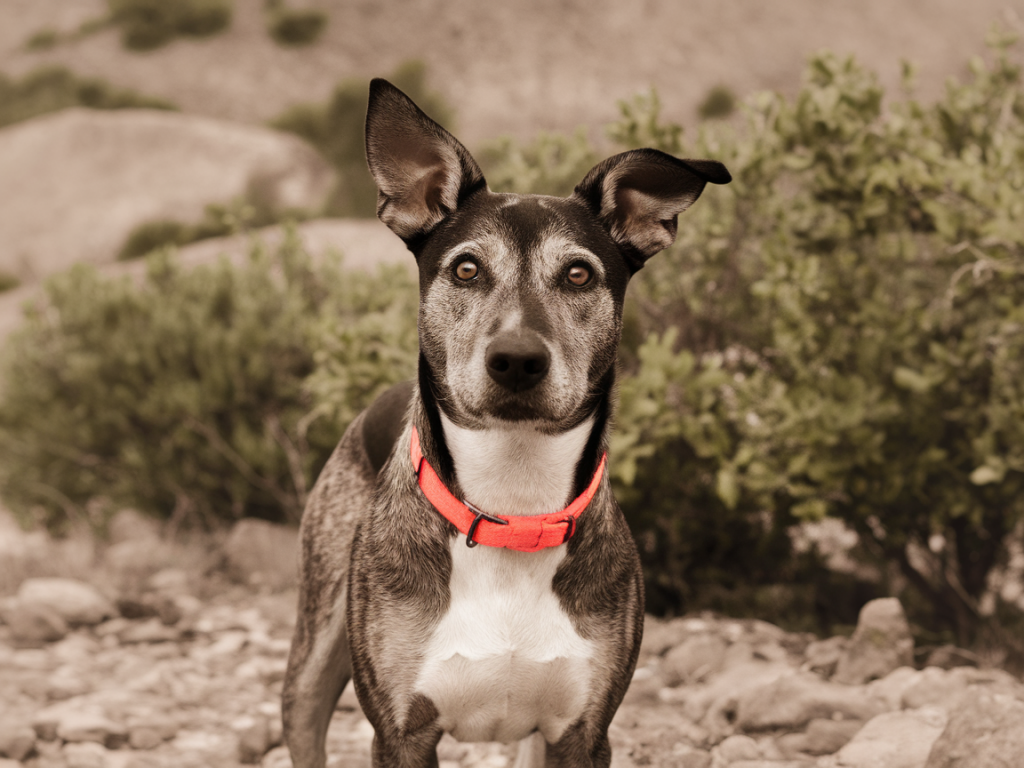
I love a good ten-second miracle on my feed — that blink-and-you-missed-it clip of someone scooping a trembling pup out of floodwater, or a tiny kitten being nudged awake inside a cardboard box. Those micro-moments are powerful: they fit perfectly in our short attention spans, they trigger emotion instantly, and they’re easily shared. But as someone who cares about ethical storytelling, I also worry about the line between capturing a real rescue and staging drama to chase clicks and donations.
Over the years I’ve worked with shelters, volunteer rescuers, and social creators to figure out how a 10-second pet rescue clip can inspire real donations without compromising the animal’s welfare or the integrity of the story. Below I share practical tips I’ve tested, mistakes I’ve seen (and helped fix), and simple ways to make those seconds count — ethically and effectively.
Lead with authenticity — the golden rule
The single best way to trigger genuine support is to be transparently real. People are savvier than they used to be; we can spot a staged moment or an overproduced hook. When I film or produce a short rescue clip, I prioritize showing the truth of the moment, not the most dramatic angle.
Quick wins for authenticity:
- Include a natural soundscape: a passerby’s voice, ambient noise, or the rescuer’s breath — these little audio cues confirm that what viewers are seeing is live and unfiltered.
- Show the immediate aftermath: a shaky hand petting the animal, the animal’s reaction to touch, or a brief show of concern like gently wrapping the animal in a towel. Those small, human details build trust.
- Add a short caption or overlay that states the context: “Found near 5th & Pine, 8:23 AM” or “Rescued by neighbors after storm.” Concrete facts cut skepticism.
Make the ask clear and compassionate
A 10-second clip can spark emotion, but you need an easy pathway for people to act. I always pair short clips with a clear, compassionate donation call-to-action (CTA) right in the caption, pinned comment, or the first frame after the rescue moment.
Best practices I use:
- Link directly to a verified donation page — avoid vague “support us” CTAs. If the shelter uses platforms like GoFundMe, PayPal Giving Fund, or GiveGab, put that exact link in the post description.
- Keep the suggested donation amounts visible: “$10 covers vaccinations; $25 covers food for a week; $50 helps with medical care.” Concrete numbers help people decide quickly.
- Use a simple text overlay for mobile viewers: “Help now: bit.ly/RescueHelp” — short links are essential when attention is fleeting.
Respect the animal’s dignity — don’t stage suffering
There’s a dangerous temptation to dramatize an animal’s condition to provoke donations. I’ve seen creators exaggerate wounds with makeup, place animals in risky positions, or withhold care until a video goes viral. This is not only unethical, it’s harmful and often illegal.
Things I insist on when creating rescue content:
- Never manipulate an animal into appearing worse off. If the animal needs immediate care, prioritize treatment and document the process responsibly afterward.
- Get consent from the shelter or owner before posting. Some organizations have policies against sharing images of still-unstable animals — respect that.
- If you must film during treatment, keep the animal’s comfort first: avoid bright lights in their eyes, don’t force them into stressful positions for a camera shot, and keep filming short.
Use context frames — 2–3 seconds of truth around the 10-second hook
Think of your 10-second clip as a headline. It gets attention. What follows — even a couple seconds before and after — supplies the context that converts attention into action. I typically add:
- Two seconds before: a quick establishing shot (the location, storm damage, or a concerned person calling for help).
- The core 10 seconds: the rescue — capture the touch, the pick-up, the release into someone’s arms.
- Two seconds after: the immediate reassurance — a blanket wrap, a vet transport, or the rescuer’s caring words.
These context frames take your clip from exploitative snack content to a compelling, trustworthy story that invites support.
Tell people exactly how donations will be used
I’ve found that transparency breeds generosity. When donors know their money will go toward a specific need — kitten formula, flea meds, emergency surgery — they’re more likely to give and to give again.
When posting a clip, include short, concrete lines like:
- “$15 buys a week of specialized food for this pup.”
- “$120 covers the X-ray and sutures.”
- “All funds go to Sunnyvale Animal Rescue — tax-deductible receipts available.”
If you’re collaborating with a shelter, ask if they can provide a simple expense breakdown and a follow-up update — those updates turn first-time donors into long-term supporters.
Leverage microformats and platform tools
Different platforms reward different behaviors. I tailor the clip and CTA to the platform to reduce friction and boost visibility.
Tips by platform:
- Instagram Reels / TikTok: Keep the clip vertical, use a short pinned caption with the donation link, and add a branded overlay with the shelter’s handle. Use relevant hashtags like #RescueDog #DonateToShelters.
- Twitter/X: Tweet the clip with a concise CTA and a link. Threads work well for quick updates and receipts from the shelter.
- Facebook: Use the fundraising tools and link directly to the shelter’s Facebook Fundraiser when possible — donors may prefer the native platform flow for receipts.
Also consider features like Instagram’s “Donate” sticker or TikTok’s integration with vetted nonprofits — these reduce clicks and improve conversion.
Be mindful of privacy and consent
If your clip includes private property, identifiable faces of bystanders, or children, get permission before posting. I always ask rescuers and nearby witnesses if they’re comfortable being on camera. If someone says no, crop the shot, blur faces, or use a different angle. Respect goes a long way toward building trust with your audience.
Follow up with proof and gratitude
One of the most effective trust-builders is follow-up. After the clip goes live, I coordinate with the shelter to post updates: a photo of the animal recovering, a short thank-you video from the rescue team, or a simple expense report showing how donations were used. These updates do three things:
- They validate donors’ contributions.
- They increase the likelihood of repeat donations.
- They build a narrative arc that keeps your audience engaged with your account or the shelter’s page.
Use storytelling hooks that don’t manipulate
Emotion drives action, but urgency and melodrama aren’t the only hooks available. I use human-scale details that invite empathy without fabricating suffering: a dog shivering in a child’s toy wagon, a kitten meowing under a porch, or a rescuer whispering reassurance. These small, real details are often more moving than sensationalized captions.
Examples I’ve used:
- “She fell asleep the moment she felt a warm hand.”
- “He licked the rescuer’s fingers like he’d found family.”
- “Neighbors wrapped her in a sweatshirt until we arrived.”
Partner with credible organizations and creators
I always connect a rescue clip with trusted partners. Works best when the shelter provides a verified donation portal and a staff member to confirm details publicly. When possible, I tag local vets, rescue groups, or established charities like the ASPCA or Humane Society, which reassures donors and amplifies reach.
Working with other creators helps, too: a local influencer can reshare the clip with a personal note about why they donated. Collaboration multiplies credibility.
Finally, small production tips that help without staging:
- Use natural light and keep edits minimal — raw looks authentic.
- Add a simple caption frame at the end with the donation link and suggested amounts.
- Include a single contact email or phone number for larger donors or press inquiries.
When we respect animals, respect viewers, and give people a clear, low-friction way to help, a 10-second rescue clip can do real good. It becomes more than a viral moment — it becomes the start of a rescue story that includes the community, the donors, and the happy ending the animal deserves.