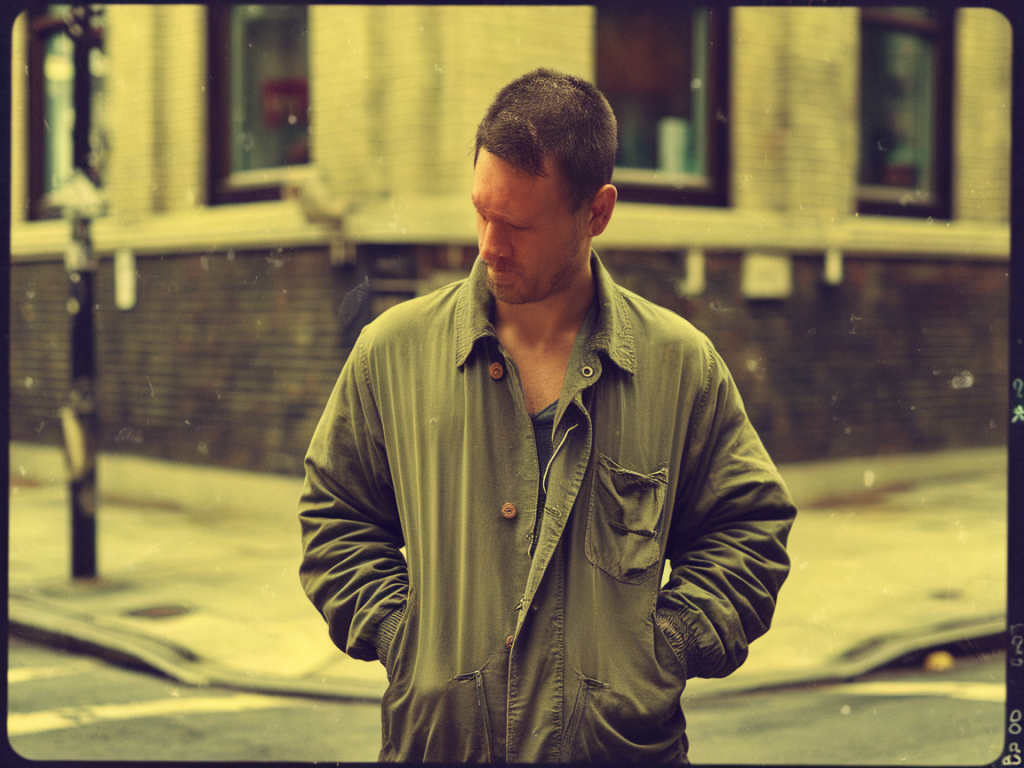
I once watched a street photo of a woman laughing with a stray dog go from a casual snapshot to a thousand reshares in less than a day. The magic wasn't in the pixels—it was in the tiny story I built around that single moment. If you've ever wished your candid photos could spark that kind of viral love, here's how I turn one frame into a microstory people can’t stop sharing.
Why a single candid photo can become a whole story
Street photos are honest, imperfect, and full of implied action. They invite questions: Who is that person? What happened before the shot? Where are they going? A microstory answers those questions just enough to tickle curiosity, pull emotion, and make people tag friends. I treat a candid like a seed: it already contains a world, you just need to coax it into view.
Picking the right photo
Not every street photo is story-ready. I look for three things:
Pro tip: I often scan my phone using Lightroom Mobile or the Photos app to find images where my brain can still hear the ambient sound. Those are the ones that lend themselves to a story voice.
Find the emotional anchor
A great microstory needs an emotional core—humor, nostalgia, surprise, or warmth. When I look at a photo, I ask myself: what feeling jumps out first? Is it delight because of a kid's face? Is it melancholy from rainy streets and hunched shoulders? I then decide whether the microstory will amplify that emotion or pivot to a surprising twist.
Three microstory frameworks I use
These frameworks make writing fast and shareable:
How I write the caption
I keep captions short, specific, and sensory. Aim for one to three lines that complement the image rather than describe it. A caption should do one of these things:
Concrete language wins. Instead of "She looked sad," I might write "Her umbrella was more of a shield than shelter." That tiny sensory detail makes the reader feel present in the scene.
Voice and tone: how I sound like a friend, not a narrator
I use the first person and conversational phrasing so people feel invited, not lectured. Words like "I bet," "you know," or a playful aside in parentheses make the caption feel like a whispered observation during a coffee-break scroll. If you're writing for Wiralclub, remember the brand: upbeat, cheeky, and inclusive. Even when a photo skews bittersweet, I aim for warmth.
Timing and platform strategy
Different platforms reward different approaches:
Experiment with cross-posting: a longer microstory on the blog (or Wiralclub) and a teaser on social that links back. People love clicking through when you promise a satisfying reveal.
Ethics and respect: telling stories about strangers
I tread carefully. A microstory should never invent harmful details or exploit vulnerability. If a photo shows someone in distress, I avoid mocking or speculating about their personal life. Instead, I focus on universal threads—resilience, small acts of kindness, the absurdity of daily life—that connect us without prying.
When possible, I try to get consent. If the subject is identifiable and the microstory assigns them motives or quotes, I’ll reach out. If not, I keep the narrative playful and unspecified: "They probably thought..." rather than "They are..."
Editing: trim until it sings
My editing rule is ruthless: if a word doesn't add imagery, emotion, or clarity, cut it. Microstories breathe when they're spare. I read captions aloud—if it sounds clunky, I simplify. I also test multiple versions in my head: sometimes swapping one verb or moving a detail to the end creates a much stronger punch.
Examples from my own feed
Here are three captions I wrote that gained traction and why they worked:
Why it worked: It gives context (an apology), a quirky prop (balloons), and an emotional uplift in one image-friendly sentence.
Why it worked: It reframes an ordinary action as joyful performance, prompting viewers to smile and share.
Why it worked: It's a micro-mystery that invites the reader to look at the photo again for clues.
When to add a microstory to a longer piece
Sometimes a candid photo deserves more than a caption. For Wiralclub, I've expanded single-photo microstories into short posts with a little backstory, a reader prompt, and related content suggestions. Use a blog post when you can add value—an interview with the photographer, a mini-explainer about the location, or a small cultural take that enriches the image.
Practical tools I use
These help me polish images and captions faster:
Encouraging engagement without begging
Rather than "Like and share," I invite readers into a tiny game—ask them to name the scene, pick a soundtrack, or share a one-line sequel. I’ve seen comments spike when I prompt people to write the next line of dialogue or guess the backstory. It feels collaborative, and people love co-creating microfiction around real-life moments.
If you want, try this: pick your most candid street photo, write three one-line captions using the frameworks above, and post them in different places. Track which one gets a reaction and why. You'll learn fast which tone your audience prefers.
At Wiralclub, we share these moments because the internet is at its best when it connects us to small, joyous surprises. A candid photo is already halfway to becoming a story—nudge it gently, tell it with warmth, and watch strangers fall in love with one tiny, perfect moment.