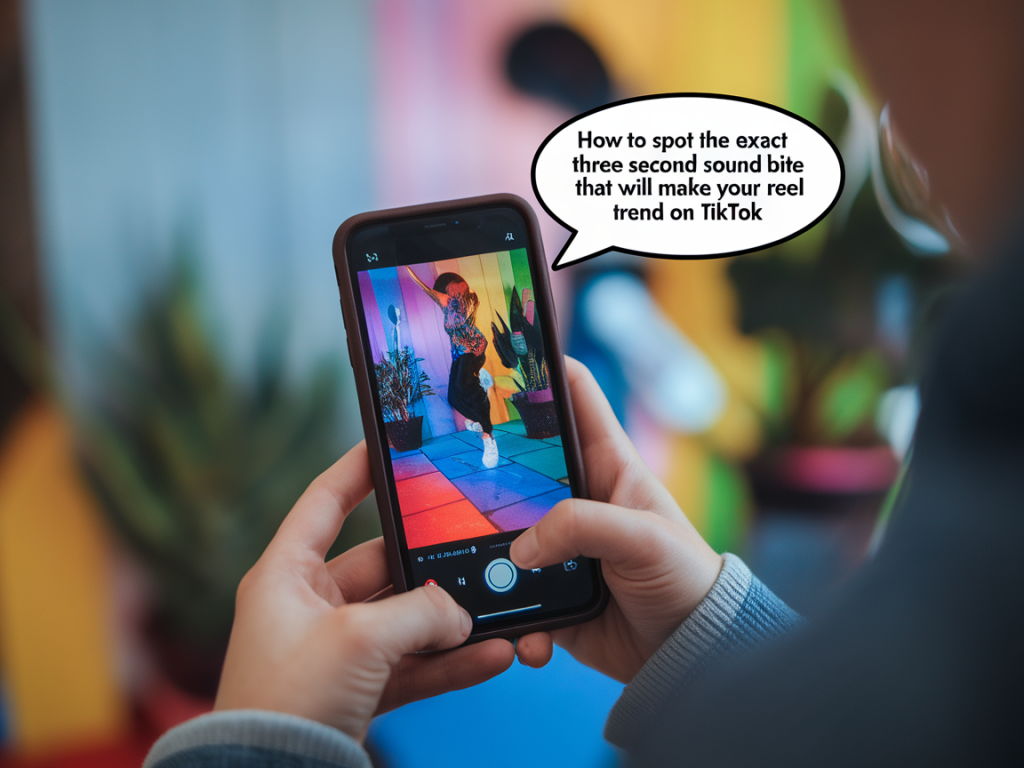
I’m obsessed with that exact moment in a video when a three-second sound bite flips a clip from "nice" to "viral." Over the years hunting for shareable sparks for Wiralclub, I’ve developed a sixth sense for tiny audio moments that explode on TikTok and Reels. Below I’ll walk you through how I spot, test, and polish the perfect three-second sound bite so your next reel has a real shot at trending.
Why three seconds?
Short audio hooks work because they’re immediately memorable and loop-friendly. A tight, repeatable three seconds can be a punchline, a dance cue, or an emotional beat — and it’s long enough to register but short enough to fit multiple visual edits. On platforms with autoplay and fast scrolling, that *instant* recognition is everything.
Where I look for winning sound bites
Finding the right clip is half luck, half system. Here are my favorite places to mine for audio:
Trending pages on TikTok and Instagram Reels — watch for sounds that are already getting reused and remix-ready.Twitter/X and Reddit (r/viral, r/WatchPeopleDieInside for cringe-to-meme transitions) — sometimes a caption or clip description points to a golden moment people are quoting.Old movies, commercials, and YouTube compilations — classic lines and jingles are ripe for recontextualization.Music libraries (Epidemic Sound, Artlist) — these are great for original hooks you can legally use, especially if you want a clean, non-copyrighted sound.Voice memos and field recordings — sometimes I find a natural sound (a door slam, a chuckle, a street announcement) that feels fresh.What I listen for
Not all catchy sounds are created equal. When I’m scouting, I ask three quick questions:
Can it be isolated? — The sound should be extractable without losing impact.Is it repeatable? — Can creators loop it or reuse it in different contexts? The more remixable, the better.Does it trigger a reaction? — Laughter, surprise, recognition, or a visceral "aww" moment. Emotional response is share fuel.How to extract the exact three-second bite
Once I’ve spotted a candidate, I isolate and refine it. Here’s my process:
Rip or download the source clip. For TikTok, I use the native share > save or third-party download tools; for YouTube, I use a trusted downloader.Open it in a simple audio editor. I love Audacity (free) for precision and CapCut for quick mobile edits.Zoom in on the waveform, mark the high-impact start and end, and trim to about three seconds. Leave a tiny bit of silence at the start or end if it helps the timing.Normalize and apply a slight fade-in/out if the cut feels abrupt. Too much reverb or heavy EQ can drain the immediacy — keep it punchy.Timing and placement in the reel
The same three-second sound can land differently depending on how you place it. Try these placements:
As the first audio cue to stop scrolling — a startling or funny sound in the first second hooks viewers.As the beat drop that syncs with a visual change — perfect for transitions or reveal moments.Overlayed with captions and reaction shots — use the sound to punctuate a punchline or emotional beat.My rule of thumb: if the sound isn't aligned with a visible change within 0.2–0.5 seconds, it loses impact. Micro-timing is everything.
Testing quickly (don’t overproduce)
One of the best lessons I’ve learned is to test fast. Throw a draft up, watch how it performs for 24–48 hours, then iterate. I use small A/B tests:
Same visuals, different three-second sound bit.Same sound, slightly different cut points (start a hair earlier or later).Different placement — start vs. middle vs. end.Often the version with the raw, slightly imperfect timing wins. Viral moments aren’t always polished — they’re *relatable*.
Examples of three-second hooks that work
| Type | Why it works |
|---|
| Comedic double-take gasp | Immediate reaction, universal cue for surprise. |
| Short musical riff or “gritty” loop | Beat-friendly, easy to pair with choreography or edits. |
| Soft “aww” sigh or coo | Emotional, great for pet/feel-good content. |
| Voice line with strong cadence (“Wait for it…”) | Builds anticipation and timing for punchlines. |
Copyright and reuse — what I watch out for
Creators often worry about strikes. I keep these rules in mind:
For music, use platform-licensed tracks or royalty-free libraries (Epidemic Sound, Artlist, or TikTok’s licensed catalog).For dialogue or movie clips, short use can fall under fair use if transformative and not monetized — but that’s not guaranteed. If you’re building a brand or monetizing, pick cleared audio or original recordings.When in doubt, recreate. A recreated voice line (performed by you or a collaborator) often captures the vibe without the legal baggage.How I make a sound feel new
Stealing is different from remixing. To make a three-second sound feel fresh:
Change context — pair a funny sound with an unexpected visual (e.g., a dramatic gasp over a peaceful pet montage).Layer subtle ambient noise under the bite — it can make it sound richer without stealing focus.Reverse, pitch-shift, or slice the bite rhythmically — small edits create a signature version people will want to reuse.Final practical tools I use
Here are the tools I pull out of my pocket when I’m on a sound hunt:
Audacity — free editing power for precise trims.CapCut — fast mobile editing and sound trimming with export presets for TikTok/Instagram.Shazam — identify songs and discover remixes that are trending.Epidemic Sound / Artlist — go-to sites for safe, catchy music hooks.Descript — great for editing spoken audio and creating clean transcriptions to find the best line.Finding that exact three-second bite is part scavenger hunt, part science. If you make it a habit to scan trending sounds, practice micro-timing, and keep tests simple, you’ll spot more viral-worthy clips than you think. Share your finds with me on Wiralclub — I love seeing what sparks you uncover next.