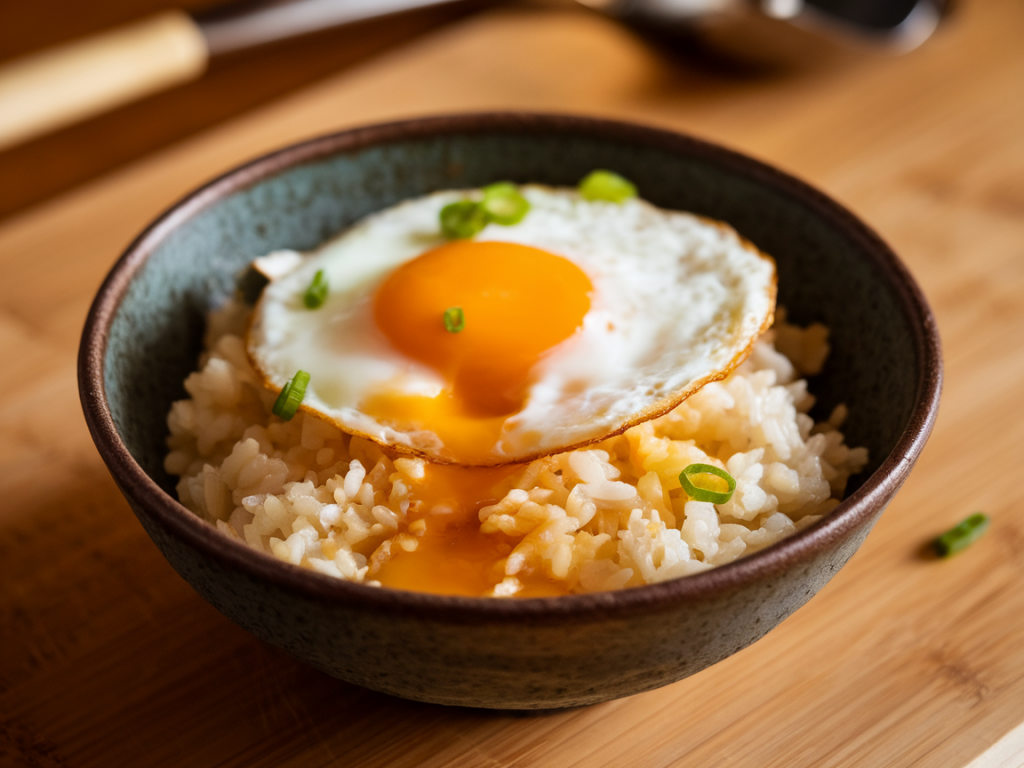
I don’t know about you, but leftover rice used to be the culinary equivalent of a damp high-five: well-intentioned but kind of sad. I’d open the container, grimace at the clumpy bricks, and either reheat it into something limp or let it languish in the fridge until it earned its own “science project” label. Then I discovered a tiny tweak that turned my sad rice into something that tastes like it came from a restaurant’s side dish — not only saving dinner plans on busy nights but also making my kitchen feel a little more magical.
The one tiny tweak (that really is tiny)
Here it is, in three words: add steam + fat. That’s it. The combination of re-steaming the rice and finishing it with a touch of fat and seasoning transforms the texture and flavor. It revives the grains, adds silkiness, and makes the rice behave like it just arrived fresh from a risotto-worthy pot. You can do this in the microwave, on the stovetop, or in a skillet — pick your weapon of choice based on what’s on hand.
Why it works
When rice sits, the grains lose moisture and starches crystallize — that’s why it becomes hard and clumpy. Reintroducing steam rehydrates the grains and loosens them up. Adding fat (butter, sesame oil, olive oil) coats the grains, adds mouthfeel, and carries flavor. If you then season with salt, a little soy, or a squeeze of citrus, you’re turning bland carbs into a delicious base that pairs with almost anything.
My go-to microwave method (fastest)
This is what I use on weeknights. It’s stupidly simple and hands-down the fastest way to get fluffy rice when I’m juggling a baby carrot in one hand and my phone in the other.
The result is plump, separate grains with a glossy finish. If you want to get extra restaurant-y, stir in a splash of low-sodium soy sauce, a pinch of sugar, and sliced green onion.
Stovetop revival for extra texture
If you want to go a little further — say, get a slight toasty edge on the grains like some restaurants do — use a skillet. This is my favorite when I actually have two hands free and want a rice side that feels intentional.
This gives you a slightly crisped, restaurant-style rice that works perfectly with grilled fish, teriyaki tofu, or a quick stir-fry.
Using a steamer or rice cooker (my lazy luxury)
If you have a steamer basket or a trusty rice cooker with a reheat setting, use it. It’s hands-off and gives even, gentle steam that brings rice back to life without making it gummy.
Perfect for batch-morning prep or when you’re feeding company.
Flavor boosters that make it taste restaurant-quality
If the cooking method is the base, flavors are the elevator to “wow.” These are my favorite tiny additions that instantly up the restaurant vibes:
Storage tips that make reheating better
Turns out, how you store rice heavily influences how it behaves on round two. I learned the hard way that leaving rice at room temp turns it into a bacteria playground, but quicker cooling and portioning make reheat miracles easier.
Quick recipe ideas that save dinner plans
Once you’ve revived rice with steam + fat, it becomes an MVP ingredient. Here are a few of my favorite super-quick meals using revived rice:
Mini troubleshooting guide
If you try this and your rice still feels off, here are a few quick fixes I’ve used:
| Method | Time | Best for |
|---|---|---|
| Microwave + damp towel | 1–3 minutes | Fast weeknight reheating |
| Skillet + steam | 5–8 minutes | Texture and slight toasting |
| Steamer / rice cooker | 5–10 minutes | Hands-off, even results |
I’ve saved more than a handful of rushed dinners with this tiny tweak — and honestly, I enjoy the little moment of victory when I open the bowl and it looks like it belongs on a restaurant plate. Give it a try tonight: steam, a little fat, and a tiny seasoning twist, and leftover rice becomes something you actually look forward to eating.