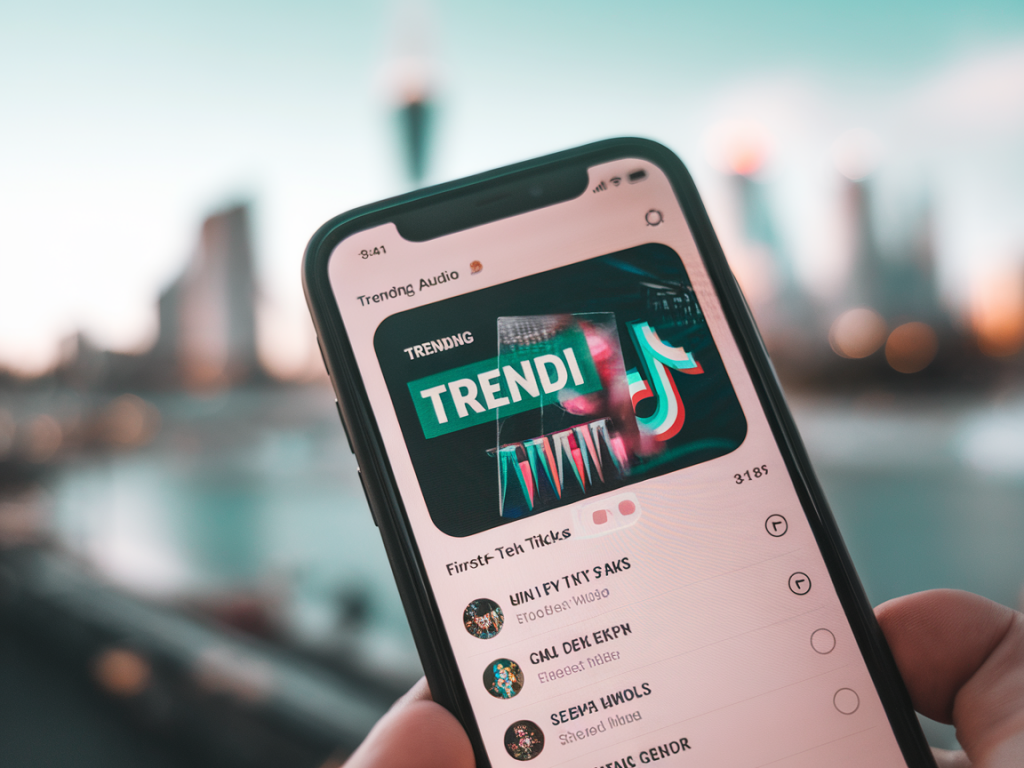
I’m obsessed with the tiny moments that blow up into internet-wide trends — the 3-second audio that suddenly feels like everyone’s inside joke, the voiceover that becomes a million micro-memes, the beat you can’t stop matching to choreography. Over the years of curating for Wiralclub, I’ve learned to spot those sound sparks early and use them to give new accounts a real shot at traction. Below I’m sharing the exact playbook I use to find rising audio and how I’d apply it to boost your first ten TikToks.
Why audio matters more than you think
Short-form video is audio-driven. TikTok’s algorithm leans on sound to categorize content, and users latch onto audio as the easiest way to replicate a trend. A good audio choice can make an otherwise average video feel trending-ready. For new accounts, pairing a simple, shareable concept with a rising sound is one of the fastest ways to get views and followers.
Where I find trending audio before it explodes
Trend-hunting is part detective work, part habit. I follow a few reliable sources and check them daily. Here’s my checklist:
I open at least three of these sources every morning. When a sound shows up in two or more places with an upward curve, I flag it as “potential.”
How I evaluate whether a sound is worth using
Not every “rising” sound is useful. I run a quick filter:
How to use a trending audio to boost your first ten TikToks
Think of your first ten posts as a mini portfolio: show your style, prove you’re trend-aware, and give the algorithm reasons to surface your profile. Here’s the strategy I’d use, step by step.
Video 1 — The introduction spin on a trending sound
Pick a rising audio with a friendly hook. Introduce yourself in 10–15 seconds, matching the rhythm or punchline. This nails two things: the algorithm sees a sound + new account pairing, and viewers instantly know what you do.
Videos 2–4 — Replicate a simple format
Create 2–3 videos using the same sound but different micro-concepts: a quick tip, a relatable story, a behind-the-scenes. Repetition helps the algorithm learn your niche and increases the chance of one of the takes sticking.
Video 5 — Remix with a personal twist
Take the sound and flip expectations. If the trend is a reveal, make a surprising or heartwarming twist. Viral trends reward freshness — you want viewers to feel like they saw something familiar but funnier or sweeter.
Video 6 — Stitch or duet a high-performing clip
Find an early viral video using the same sound and stitch or duet it with your perspective. This piggybacks on existing engagement and signals relevance to TikTok.
Videos 7–8 — Make a niche-specific how-to or hack
Use the sound to teach something quick and useful tied to your niche. Educational value increases shareability and saves your content from being purely derivative.
Video 9 — Collaborate or tag a bigger creator
If possible, tag a mid-tier creator using the sound or create content directly referencing them (respectfully). Collaboration can extend reach quickly.
Video 10 — Call-to-action with a new twist
Ask viewers to recreate the sound with a specific prompt. This encourages duets and stitches — the types of interactions TikTok loves.
Practical tips for recording and posting
Small technical choices matter:
When to ride versus when to skip
Jump on sounds that are gaining but not yet saturated. If hundreds of creators are already using it, look for a sub-niche twist rather than copying the top format. Conversely, some sounds blow up so fast that waiting a day is already late — striking quickly helps.
Useful tools and a quick reference table
| Tool | What it helps with |
| TikTok Creative Center | Official trending sounds and creatives |
| TrendTok | Predictive trend signals and sound discovery |
| Tokboard | Charts of viral songs and audio |
| Spotify Viral/Editorial Playlists | Early music signals before TikTok picks them up |
One last practical note: document everything. I keep a simple spreadsheet with the sound name, link, first seen date, how I’d use it, and results. Over time you’ll learn which types of sounds your audience loves and which formats consistently win. If you want, I can share a starter spreadsheet template that maps the first-ten-post plan to each sound — just tell me how you’d like it organized.