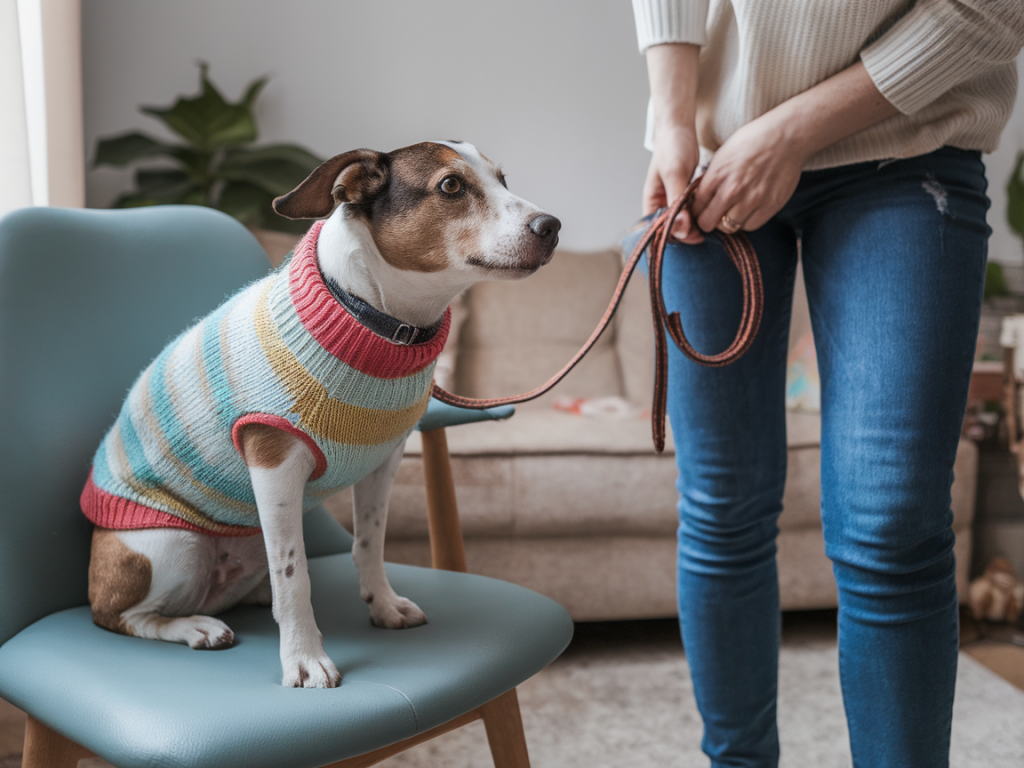
I’m obsessed with the tiny choices that turn a cute pet clip into a viral, laugh-out-loud moment. Over the years of scouring TikTok for the quirkiest animal content, I noticed a handful of filming angles and camera tricks creators use again and again to make pets look downright irresistible. Below I break down those techniques, explain why they work, and give you practical tips so you can try them with your own furry (or feathered, or scaly) co-star.
Why angle matters more than you think
It’s not just the pet that makes a video funny — it’s how we see them. Angles shape perception: a low angle can make a tiny chihuahua appear like a dramatic king, a top-down shot turns an energetic dog into a cartoonish whirl of paws, and a close-up on a suspicious cat eyebrow can make viewers invent whole backstories in two seconds. I love that filmmaking is, at its heart, storytelling through choice. The angle you pick is the first line of that story.
Low-angle shots: tiny pets, huge personalities
Point the camera up at your pet from near floor level. This low-angle approach does a few delicious things:
- It exaggerates proportions — big head, small body — which our brains interpret as adorable.
- It gives pets a heroic or goofy presence depending on expression and music.
- It’s great for capturing dramatic reactions (think: barking at a vacuum or strutting into a room).
How I do it: I often rest my phone on the floor or use a small tripod (the Joby GorillaPod is a go-to). For action, I’ll handheld-shoot low and move with the animal so the perspective stays playful and dynamic.
Top-down (overhead) shots: chaos looks cute
There’s a reason top-down clips of pets chasing tails or circling toys perform so well — they show motion clearly and make patterns mesmerizing. Overhead shots flatten depth, which makes every movement and paw-paddle highly readable.
- Use a ladder, a chair, or a stable mount for safety and stability.
- Wide lenses (or simply stepping back with your phone) work best so you capture the whole scene.
- Perfect for feeding videos, puzzle toys, or multiple pets interacting.
Close-ups and extreme close-ups: the micro-expressions
Close-ups are where personality hides: the little twitch of an ear, the micro-sneeze, the way a hamster stuffs food into its cheeks. These shots turn ordinary moments into character beats.
Tips:
- Use portrait mode lightly; don’t over-blur — we still want the whiskers visible.
- Get a fast lens or good light so you can keep the shutter quick; pets move unpredictably.
- Capture short bursts of footage so you can pick the perfect frame in editing.
Wide-angle (fisheye-ish) for comedic distortion
A slightly wide lens distorts close subjects in a comical way — big nose, tiny body. Creators often use clip-on wide lenses for phones or shoot very close with an iPhone’s ultra-wide. The result feels playful and exaggerated, which matches comedic sound overlays or punchlines.
Eye-level shots: intimate and relatable
Filming at your pet’s eye level creates empathy. It’s not inherently funny, but it makes reactions feel immediate and human — which is why many viral pet videos combine eye-level reaction shots with low-angle reveals for comedic payoff. Think of it as the emotional anchor that lets the viewer connect before you hit them with the gag.
POV shots: put the viewer in the pet’s world
Point-of-view filming, often using a chest mount or a GoPro, gives viewers the pet’s perspective. It’s especially hilarious when paired with voiceover (the pet’s “thoughts”) or when the POV reveals them doing something mischievous — like stealing socks or zooming through a hallway.
Timing, framing and bait
Angles alone won’t save a clip that’s badly timed. Here’s what I pay attention to:
- Anticipation: Set up so you capture the moment right before a reaction. Animals give tiny pre-signals — ear shifts, a tail wag — that tell you to start rolling.
- Rule of thirds: Frame your pet off-center for a more cinematic and dynamic look. This also leaves room for incoming action (another pet, a toy, a human hand).
- Use treats and toys as visual “bait”: Position the treat where you want the eyes to go to control focus and movement.
Lighting and background: simplicity wins
Good lighting makes or breaks a close-up. I prefer natural window light for soft, even illumination. If you’re shooting indoors at night, use a ring light or the Aputure Amaran for a flattering, dimmable source. Avoid cluttered backgrounds; a plain rug or sheet makes the pet the clear star.
Slo-mo, speed ramps and editing tricks
Editing is where angles become jokes. I love a quick speed ramp — normal speed to slow-motion at the exact moment of a leap or expression — because it exaggerates timing. TikTok’s built-in speed tools are great, or use CapCut for more precise ramps.
- Slo-mo for dramatic jumps or hilariously exaggerated reactions.
- Fast cuts between angles (low to overhead to close-up) create comedic rhythm.
- Add reaction jump-cuts synced to sound effects for punchlines.
Sound and music: set the mood
Funny visuals often rely on the right sound cue. A well-timed boing, comic drum hit, or a trending TikTok sound turns a quirky angle into a full-on meme. I keep a short library of effects (bongo hits, squeaks, record scratches) and match cuts to beats for maximum impact.
Safety and comfort first
Angles should never put your pet at risk. Don’t climb precarious places for a dramatic overhead shot. If you’re using mounts or rigs, secure them. Always watch for signs of stress — heavy panting, pinned ears, or avoidance — and stop if your animal is uncomfortable. Funny content isn’t worth compromising wellbeing.
| Angle | Best used for | Quick tip |
|---|---|---|
| Low-angle | Heroic or goofy presence | Use small tripod or floor-level handheld |
| Top-down | Chase, feeding, multiple pets | Wide lens to capture whole scene |
| Close-up | Micro-expressions | Fast shutter and good light |
| Eye-level | Emotional connection | Use for reaction beats |
| POV | Mischief, playful perspective | Chest mount or GoPro |
If you want to test these techniques, start with three quick clips: a low-angle introduction, a top-down chaos moment, and a close-up reaction. Stitch them together with a beat-driven edit and you’ve got the structure of dozens of viral pet hits. Share what you try — I love seeing the creative spins readers put on these little rules.