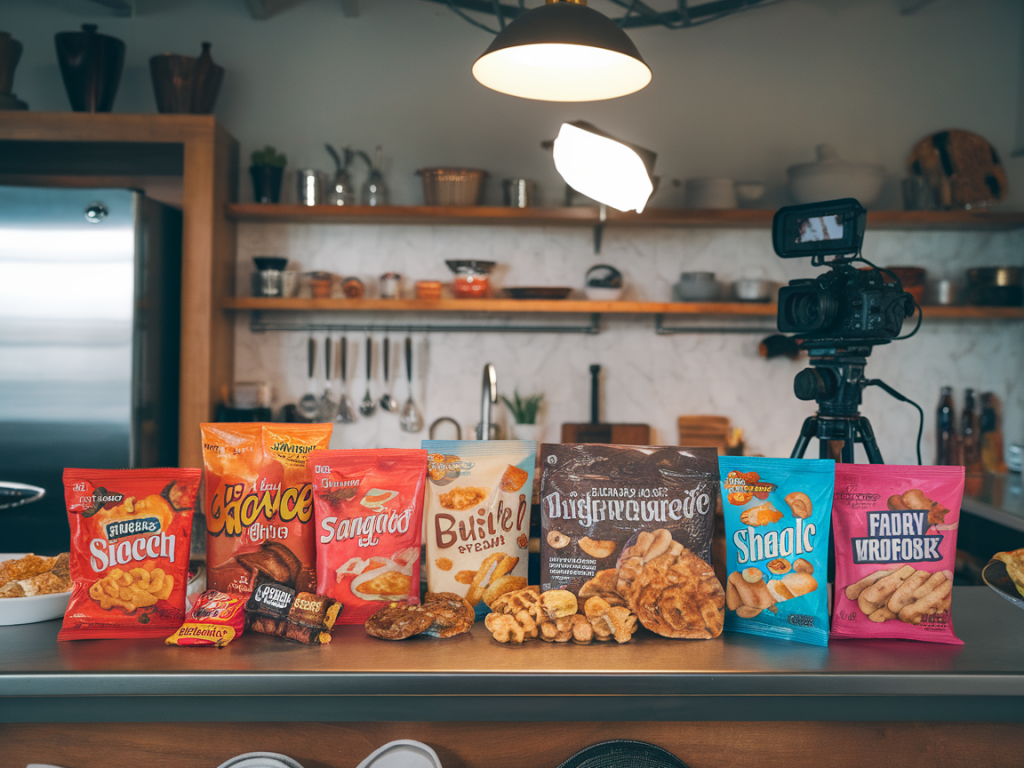
There’s a special kind of magic that happens when a 30-second “snack test” video stops being a one-off and starts pulling viewers back for episode after episode. I’ve tested dozens of tiny editing moves across platforms — TikTok, Reels, Shorts — and I keep coming back to three microedits that, together, flip a short clip from forgettable to bingeable. These are not big-budget tricks. They’re small, repeatable choices you can do in CapCut, Premiere Rush, or even directly in the Instagram editor. Below I walk through what they are, why they work, and how I use them when I’m shaping a mini-series idea from a single snackable experiment.
Microedit 1: The 0.5–1s Hook Cut
If you only do one thing, tighten your first 1 second. It sounds obvious, but so many snack tests open with a long setup — “Hey everyone, today I’m trying…” — and lose 30% of potential viewers right away. The Hook Cut is a deliberate jump cut in the first second that drops the viewer directly into the most visually compelling moment.
How I do it: I scrub the footage and find the frame where the action or reaction is at its peak — a fork plunging into a molten croissant, a face morphing into delight, the exact millisecond a soda geyser erupts. I cut in on that frame, then add a super-quick context flash (a text overlay or a 300–500ms wide shot) so people aren’t lost. The result? Immediate curiosity.
Why it works: Platforms reward retention that starts at the first frame. The Hook Cut forces you to lead with the payoff rather than the setup, increasing the chance of a full view and a swipe-aback to rewatch. For series potential, it builds an instant “brand moment” — viewers learn to expect that fast pay-off at the start of every episode.
Microedit 2: The Reaction Extend
Good taste tests are half about the food and half about the reaction. The Reaction Extend is a tiny stretch: you slow or hold the cut on a genuine expression for an extra 200–500ms, sometimes adding a subtle zoom or punch-in to amplify it.
How I do it: After I find a natural reaction — surprise, disgust, bliss — I duplicate the clip and use a 1.05–1.12x scale keyframe over 300ms to gently push into the face while slowing the speed to 90–95% for a fraction of a second. I often layer a single, slightly exaggerated SFX like a “pop” or a light cymbal to punctuate the moment without drowning it.
Why it works: It gives the viewer a beat to empathize. In microcontent, emotions are currency. Viewers who connect emotionally are more likely to follow a series because they start caring about the recurring cast (you, your friends, or the regular taste-test guest). The Reaction Extend also creates a rhythmic editing signature: a pause that feels intentional and becomes part of the series’ voice.
Microedit 3: The Mini-Cliffhanger Stitch
Think of each 30-second snack test as a tiny episode. The Mini-Cliffhanger Stitch is a 0.5–1s insert near the end that teases the next episode’s payoff. It might be a blurred shot of the next snack, a whispered “wait for it,” or a very quick flash of a rating card that cuts before you reveal the score.
How I do it: Five to seven seconds before the end, I cut to a high-contrast, attention-grabbing insert — sometimes text, sometimes the edge of a new product box — and I make sure the edit ends on an unresolved sound or a cut-to-black with a beat of silence. I then match the color grade and sound character across episodes so the tease is recognizably from the same show.
Why it works: It leverages the brain’s desire for closure. Even a tiny tease increases the probability of a return view or a follow, because people want to see what they were denied. On TikTok and Reels this translates directly into follows and saves, which pushes your content into more feeds.
Putting the Three Together: Rhythm, Brand, and Bingeability
Each microedit plays a role in a larger rhythm. The Hook Cut grabs attention; the Reaction Extend builds emotional investment; the Mini-Cliffhanger Stitch creates forward momentum. When I string them across multiple episodes, they form a predictable pattern that viewers learn to crave.
Here’s a simple runtime blueprint I use for a 30-second episode:
| 0.0–0.8s | Hook Cut: strongest visual or reaction frame |
| 0.8–6s | Quick context: product/brand reveal + very short text |
| 6–18s | Taste, bite, reaction (pad with Reaction Extend on the peak) |
| 18–26s | Verdict/score; keep it punchy |
| 26–30s | Mini-Cliffhanger Stitch + CTA (follow/save) |
That table might look rigid, but the point is consistency. Viewers of a series appreciate predictability — not in the content itself, but in the cadence. Once they know there’s always a hook, a reaction, and a tease, they’ll start to watch reflexively.
Practical Tips, Tools, and Common Questions
Examples That Inspired Me
I took cues from the snack test vibes of channels like YouTuber Mark Wiens’ intense first-bite reaction moments (scaled down into shorts), and TikTok creators who lean into quick rating hooks — think a 1–100 card reveal but shortened into a single quick flash. Brands like Doritos and Pringles have also nailed the idea of repeating a stunt with small variations; you can borrow that tactic and localize it with indie snacks or trending grocery finds.
When I launched a mini-series testing weird snack combos (peanut butter + pickles, anyone?), I used the three microedits every time. The first video felt fresh; the second felt familiar; by the fifth, my viewers were commenting suggestions before I’d even finished filming. That’s the whole point: these edits don’t just improve a single clip. They create a format people want to come back to.
Want a quick checklist to try on your next 30-second snack test?
Try these microedits on your next reel and watch how tiny adjustments shift viewer behavior. When the edits are right, even the simplest snack test becomes its own little universe — one people want to orbit again and again.