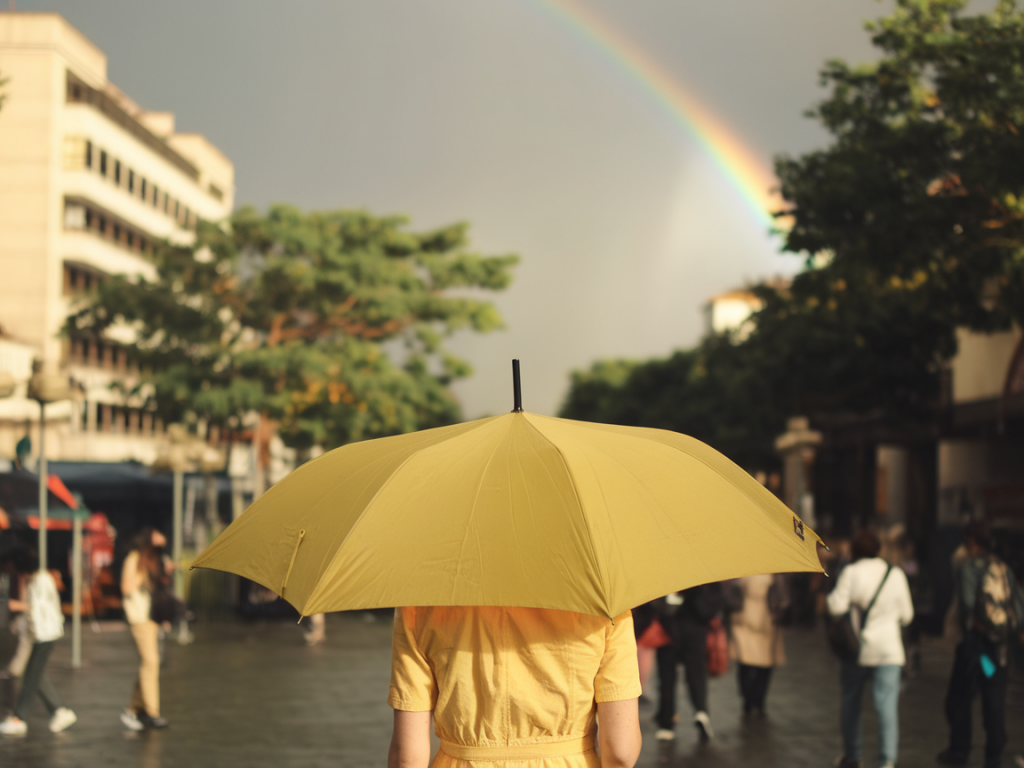
I love the tiny, electric moments that happen on sidewalks, in subway cars, and outside cafés — a kid dancing in the rain, a candid exchange between two strangers, or a dog who refuses to leave its favorite bench. Turning one of those vignettes into a microstory that resonates (and even goes viral) is one of my favorite creative puzzles. But there's a line to respect: you can capture the joy of the street without invading someone’s privacy or turning a private moment into public spectacle. Here’s how I do it, step by step, with practical tips, ethical rules, and tools that make storytelling fast and kind.
Start with curiosity, not a camera
When I’m out and about, I let my curiosity lead. I watch for contrasts, small reversals, or moments of incongruity — an elderly man skateboarding, a spilled cup that becomes a collective cleanup, or a duet between a busker and someone who just happened to have the perfect voice. Before I even raise my phone, I ask: “Is this a moment worth sharing? Will it uplift or exploit?” If the answer is yes and the vibe feels safe, I proceed. If not, I put my phone away and enjoy it privately.
Frame ethically: what to capture and what to avoid
Not every interesting image is fair game. Here are my rules of thumb for what to capture:
When in doubt, err on the side of kindness. A great microstory can be built from a small, clearly non-exploitative slice of what you saw.
Get consent when it matters — fast and simple
Consent doesn’t have to be formal. I often use quick, human approaches that respect people’s time and dignity:
For candid street performers or public events, explicit consent is still best practice. If a performer is working, they usually expect being filmed; still, a quick heads-up goes a long way. And if someone declines, I delete the footage on the spot — no exceptions.
When you can’t get consent: anonymize and protect
Sometimes the moment is perfect but getting consent isn’t practical. In those cases, I make protection a priority:
Tools like CapCut and Adobe Premiere Rush have fast face-blur filters. For audio, avoid including names or private details. If a clip could embarrass someone, it’s not worth posting.
Turn the clip into a microstory — structure and pacing
A microstory is tiny but intentional. I usually aim for 15–45 seconds. Here’s my go-to structure:
For example: hook with a puddle-splash sequence, development shows a child inviting a stranger to join, payoff reveals an impromptu puddle-dance circle. Short, clear arcs increase shareability because they reward attention quickly.
Audio: make sounds work for the story
Raw ambient sound can be magic — a laugh, a snippet of song, the clack of high heels. But audio can also betray privacy. I decide based on context:
I often use TikTok’s trending sounds or a neutral instrumental from Epidemic Sound to give the clip emotional lift. But I try to keep authenticity: if the original audio is the heart of the moment, protect identities and keep it real.
Captioning and microcopy: frame the story with care
Text can steer how people interpret an image. I avoid sensational language that could shame or expose. Instead, I write crisp captions that add context, invite empathy, or make a playful observation. Examples I use:
Questions work well to invite engagement without forcing identification: “What would you do if you saw this?” A good caption raises smiles and keeps the focus on the moment, not the person.
Edit fast, tell tightly
People scroll quickly. My editing workflow is designed for speed and impact:
My favorite tools: iPhone for quick capture (Portrait and Cinematic modes can help), GoPro for action or wide angles, CapCut or Adobe Premiere Rush for mobile edits, and Descript for quick caption generation. They let me turn a raw moment into a polished microstory in under 20 minutes.
Share strategically — platform and timing
Different platforms reward different formats.
| Platform | Best format | Notes |
|---|---|---|
| TikTok | Vertical, 15–60s | Use trends/sounds; engage in first 2 seconds |
| Instagram Reels | Vertical, 15–30s | High polish and strong cover image help |
| Twitter/X | Short clip with punchy caption | Works well with timely commentary |
| Short clip or album | Good for community sharing and notes |
I cross-post with small tweaks: shorter caption on TikTok, more context on Facebook. Engaging with early commenters and responding kindly to questions builds goodwill — and helps the clip spread organically.
Legal basics and peace of mind
Street photography laws vary, but here’s what I stick to for safety and respect:
When in doubt, treat people the way you’d like to be treated online. I carry a simple consent form on my phone for times when I need it, and I delete footage immediately upon request.
Examples of ethical microstory prompts I use
These prompts focus on action and emotion, not identity. That’s the trick: make the microstory about the moment, not about broadcasting a person’s private life.
Creating a viral microstory from a random street moment is equal parts observation, ethics, and craft. I aim to make people smile, think, or share — without ever making someone the butt of a joke or stripping their dignity. When I strike that balance, the internet gets a lovely little surprise and I get to share another tiny human truth that brightens someone’s feed. Happy hunting — and be kind on the sidewalk.