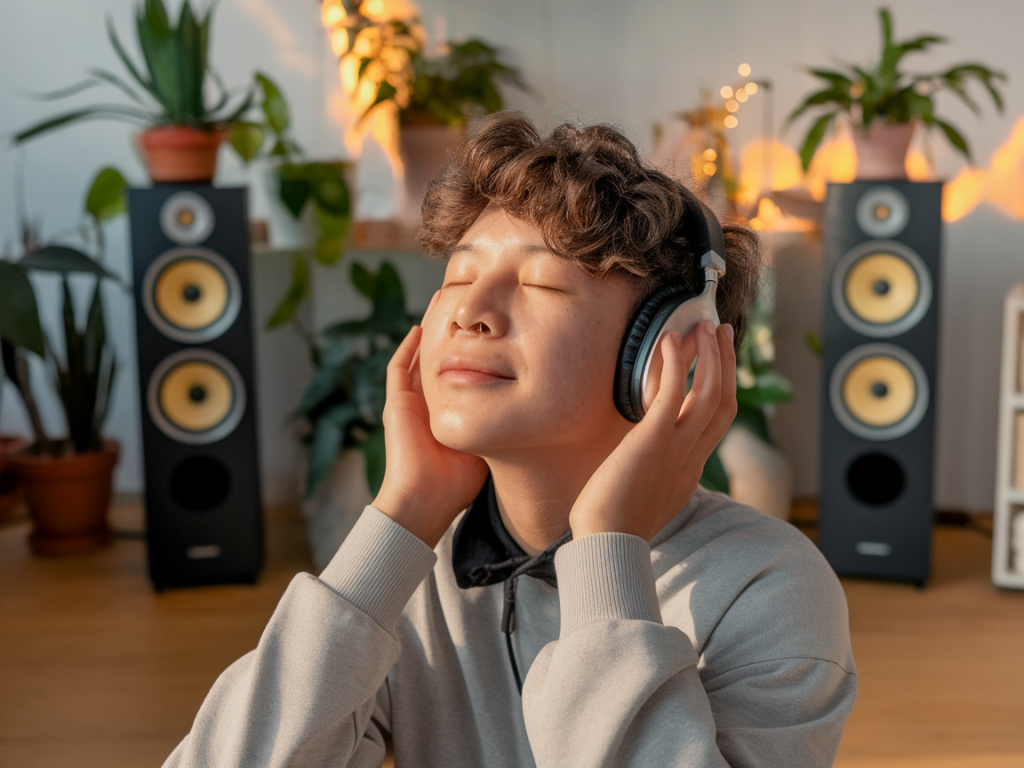
I make playlists the way some people collect vintage postcards: obsessively, with small notes, and a strange pride in finding the exact right song for a feeling. Over the years I’ve built dozens of feel-good playlists — some for getting through a rough morning, some for powering a mini dance party with friends, others for turning a dull commute into a tiny adventure. If you want instant mood lifts without sliding into guilty-pleasure cringe, here’s my playbook for making a playlist that actually works.
Why a playlist can change your mood (fast)
Music taps into memory, rhythm, and hormone chemistry. A bright chorus can trigger dopamine, steady beats can sync with your heart rate, and familiar lyrics can anchor you to a happier time. I don’t believe in magical cures, but a thoughtfully curated playlist is the quickest, cheapest pick-me-up I know. It distracts, energizes, and sometimes makes you laugh at a lyric you forgot you loved — all within a few songs.
Start with intention, not genre
Before I add a single track I ask: what do I want this playlist to do? Different intentions call for different approaches:
- Wake me up gently
- Power through a creative slump
- Boost confidence before an interview or date
- Turn a gloomy evening into a cozy one
Once the intention is set, I choose energy levels and lyrical tone. For example, “wake me up gently” means sunny acoustic and mid-tempo pop; “boost confidence” calls for swaggering, brass-forward anthems.
Build a reliable structure
My favorite playlists follow a simple arc. It keeps listeners (me, usually) engaged and avoids the emotional rollercoaster that makes songs clash.
- Intro (1–3 songs): Familiar and inviting. These are songs you can recognize within the first bars.
- Lift (3–8 songs): Increase tempo, add punchy production or singalong choruses.
- Peak (2–4 songs): The most energizing, feel-good tracks — save your favorites for here.
- Cool-down (2–4 songs): Slow it down so the ending feels satisfying, not abrupt.
I aim for playlists that last between 30 and 90 minutes. Shorter is better for quick mood boosts; longer is great for house parties or weekend cleaning sprees.
Choose songs, not cliques
People ask if playlists should stick to one genre. My answer: only if you want them to. What matters is emotional thread. A playlist can include indie pop, Afrobeat, and disco if they share the same brightness and tempo range. Mix eras to keep things nostalgic and fresh — a 70s disco classic next to a current indie hit can work beautifully if both make you smile.
Rules I actually follow
- Favor songs with a strong chorus. You want something to sing along to when you need it.
- Use familiarity. At least 30–50% of the playlist should be songs you already know and love.
- Add a few surprises. One or two songs that are new or slightly out of left field keep things interesting.
- Mind the transitions. Go by tempo and energy, not only key — a sharp tempo jump can kill the vibe.
How to avoid "cringe" vibes
Everyone’s cringe threshold is different, but I have three practical tactics:
- Skip peppy novelty songs that rely entirely on irony. They can be fun once, but they don’t sustain mood.
- Avoid too much overproduction. Extremely cheesy auto-tune or cringe lyrics can break immersion.
- Keep it authentic. If you secretly hate a song but play it because it’s “fun,” the playlist will betray you. Your vibe should feel honest.
Technical tips and tricks
Little production choices make a big difference. Here’s what I use when assembling on Spotify, Apple Music, or YouTube:
- Crossfade — I usually set crossfade between 3–6 seconds so songs blend smoothly.
- Use equalizer presets — “Pop” or “Dance” presets can give tracks a unified brightness.
- Collaborative playlists — for parties or road trips, a shared playlist on Spotify creates joyful surprises.
- Spotify Enhance — this feature suggests songs that match your vibe; I use it to find fresh additions without losing cohesion.
Starter track ideas (mix-and-match)
Here are tracks I often throw into feel-good playlists. Swap as needed — the goal isn’t replication but inspiration.
- “Good as Hell” — Lizzo
- “Dog Days Are Over” — Florence + The Machine
- “I Wanna Dance with Somebody” — Whitney Houston
- “Electric Love” — BØRNS
- “Levitating” — Dua Lipa
- “September” — Earth, Wind & Fire
- “Walking on a Dream” — Empire of the Sun
- “Tadow” — Masego & FKJ (for a smooth, groovy lane)
- “Sunflower” — Rex Orange County
Contextual playlists — match music to activity
Pair music with what you’re doing. A playlist for cleaning looks different from one for a lunch break:
- Cleaning/chores: upbeat, high-energy — think disco, pop, and funk.
- Commute: familiar songs, reliable structure, 30–45 minutes.
- Getting ready: confident, anthemic songs that make you move.
- Wind-down: mellow, acoustic, or ambient to lower energy gradually.
Personalize with small rituals
Playlists become more powerful when paired with rituals. Here are ones I use:
- Play the same 60-second opener every morning to trigger a “start” signal.
- Create a “secret anthem” — one barely anyone else hears that instantly flips my mood.
- Use a playlist as a milestone reward: only play it while doing something you want to associate with joy (like Sunday baking).
Curating for others vs. yourself
Making a playlist for friends is a different sport. When I build for other people, I ask about their comfort zone and favorite eras, then sprinkle in a few tracks I think they’ll love but haven’t heard. For public playlists on Wiralclub or on Spotify, I lean toward universal touchpoints: singalong choruses, timeless hooks, and tracks that invite movement.
Quick troubleshooting
If a playlist isn’t lifting your mood, try these fixes:
- Cut songs that feel emotionally flat even if they were once favorites.
- Reduce slow songs in the middle; keep the momentum moving forward.
- Refresh every 2–4 weeks — tastes shift and the same tracks can fade.
Playlists are living things. They get better with small edits, surprise additions, and the occasional purge. Make yours honest, use it with intention, and don’t be afraid to laugh at your own musical guilty pleasures — just don’t build the whole playlist around them. Happy listening, and if you want, drop a link to a playlist you’re proud of — I love swapping sonic secrets.